
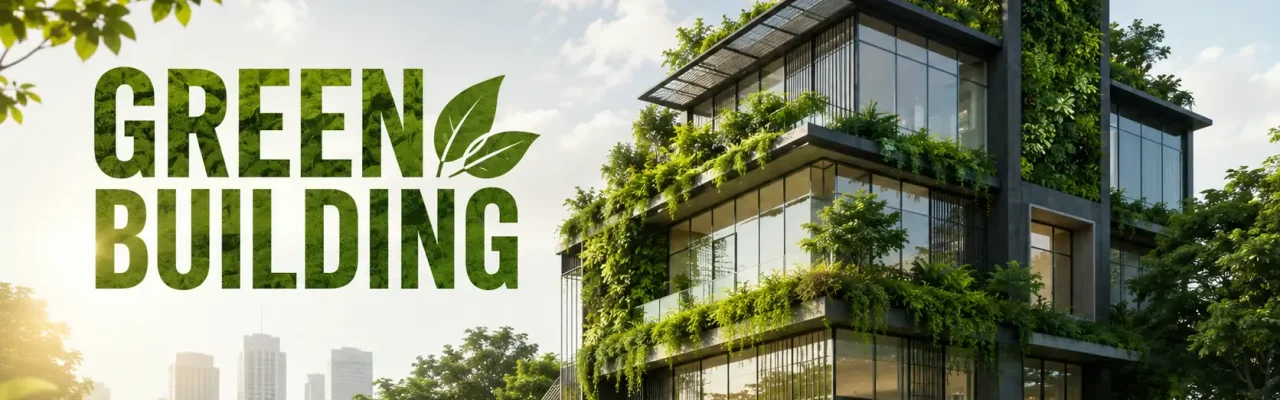
Green Building: Designing Sustainable, Efficient & Future-Ready Spaces
The way we design and construct buildings has a direct impact on energy consumption, resource use, indoor comfort and the environment.
This is where green building comes into focus.
Green building is not simply about adding plants to a building or choosing a few environmentally friendly materials. It is a comprehensive approach to architecture, interior design, construction, energy management, water efficiency, material selection and long-term building performance.
For homeowners, businesses and organisations, sustainable design can create spaces that are not only environmentally responsible but also comfortable, functional, efficient and aesthetically refined.
At Neelanjan Gupto Design Co., sustainable thinking can be incorporated into interior and architectural planning to create spaces that balance design, functionality and responsible resource use.
What Is Green Building?
A green building is designed, constructed and operated with the objective of reducing its environmental impact while improving the health, comfort and efficiency of its occupants.
A sustainable building considers the entire lifecycle of a space, including:
- Site planning
- Energy consumption
- Water usage
- Building materials
- Natural lighting
- Ventilation
- Indoor air quality
- Waste management
- Maintenance
- Long-term operational efficiency
The objective is simple:
Build better spaces while using resources more responsibly.
Why Is Green Building Important?
Buildings consume significant amounts of energy and resources throughout their lifecycle.
A well-planned green building can help address several challenges simultaneously.
1. Energy Efficiency
Efficient lighting, air-conditioning, appliances, insulation and building systems can reduce unnecessary energy consumption.
2. Better Natural Lighting
Strategic planning of windows, openings, glass and internal layouts can maximise daylight and reduce dependence on artificial lighting during the day.
3. Improved Ventilation
Proper ventilation can improve indoor comfort and contribute to healthier indoor environments.
4. Responsible Material Selection
Choosing durable, low-impact and responsibly sourced materials can reduce waste and improve the lifecycle of the interior.
5. Water Conservation
Efficient fixtures, rainwater management, and responsible water planning can reduce unnecessary water consumption.
6. Reduced Waste
Designing with modularity, durability and efficient material planning can reduce construction and renovation waste.
Green Building and Interior Design
Sustainability does not stop at the building structure.
Interior design plays a major role in creating environmentally responsible spaces.
A sustainable interior can consider everything from flooring and furniture to lighting and finishes.
For example:
Sustainable Materials
Interior designers can explore materials such as:
- Reclaimed wood
- Bamboo
- Recycled materials
- Low-VOC paints
- Responsibly sourced timber
- Recycled metal
- Natural stone
- Durable textiles
The right material should be selected according to the project’s performance, aesthetics, maintenance and lifecycle requirements.
Natural Light: One of the Simplest Sustainable Design Strategies
Natural light can transform an interior.
A well-planned space can use daylight to create a brighter and more comfortable environment while reducing dependence on artificial lighting during suitable hours.
Interior designers can support this through:
- Open planning
- Appropriate window treatments
- Reflective surfaces
- Light-coloured finishes
- Strategic furniture placement
- Glass partitions where appropriate
- Daylight-conscious space planning
The result can be both visually appealing and energy-conscious.
Energy-Efficient Interior Design
Energy efficiency should be considered during the early design stage rather than after construction.
Some strategies include:
LED Lighting
LED lighting generally consumes less energy than conventional lighting and can provide greater flexibility in interior lighting design.
Smart Lighting Controls
Sensors, timers and zoning can help prevent unnecessary lighting consumption.
Efficient HVAC Planning
Air-conditioning and ventilation systems should be appropriately designed for the size and use of each space.
Solar Energy
Where appropriate, solar energy can contribute to a building’s renewable energy strategy.
Building Envelope
Windows, glazing, insulation and shading can influence how much heat enters or leaves a building.
Sustainable Office Interior Design
Green building principles are particularly relevant to modern workplaces.
A sustainable office can combine environmental responsibility with employee comfort and productivity.
Some design considerations include:
- Daylight access
- Indoor plants
- Energy-efficient lighting
- Efficient HVAC systems
- Low-emission materials
- Ergonomic furniture
- Flexible workspaces
- Acoustic comfort
- Efficient space planning
- Waste segregation
- Water-efficient fixtures
A well-designed workplace should not only look impressive but also support the people who use it every day.
Green Building for Residential Interiors
Sustainable residential interiors don’t have to look industrial or overly minimal.
A home can be sustainable while still feeling:
Warm. Comfortable. Luxurious. Personal.
For residential interiors, designers can consider:
- Energy-efficient lighting
- Natural materials
- Durable furniture
- Low-VOC finishes
- Efficient kitchen appliances
- Natural ventilation
- Daylight optimisation
- Long-lasting finishes
- Modular furniture
- Responsible material sourcing
The goal is to create a home that performs efficiently without compromising its character.
Sustainable Materials: What Should You Look For?
Choosing sustainable materials requires more than simply looking for the word “eco-friendly.”
Consider:
Durability
A material that lasts longer may reduce the need for frequent replacement.
Maintenance
Low-maintenance materials can reduce resource consumption throughout the lifecycle.
Local Availability
Locally available materials can sometimes reduce transportation requirements.
Recycled Content
Materials containing recycled content can reduce demand for virgin resources.
Indoor Air Quality
Low-VOC paints, adhesives and finishes can contribute to better indoor environmental quality.
Can Green Building Also Be Luxury?
Absolutely.
Sustainability and luxury are not opposites.
Modern luxury can be defined by:
- Exceptional craftsmanship
- Timeless materials
- Thoughtful lighting
- Comfortable spaces
- Natural textures
- Custom detailing
- Intelligent technology
- Long-lasting design
Instead of designing around short-lived trends, sustainable luxury focuses on quality, longevity and experience.
Green Building Certifications in India
India has several recognised green building rating systems.
Some prominent frameworks include:
IGBC
The Indian Green Building Council (IGBC) provides green building rating systems covering different building categories.
GRIHA
GRIHA, or Green Rating for Integrated Habitat Assessment, is India’s national green building rating system.
LEED
LEED (Leadership in Energy and Environmental Design) is an internationally recognised green building certification system.
The appropriate certification depends on the building type, project requirements and certification objectives.
How Interior Designers Can Contribute to Green Buildings
An interior designer can influence sustainability at multiple stages of a project.
During Planning
Efficient space planning can reduce unnecessary construction and material usage.
During Material Selection
The design team can evaluate materials based on durability, maintenance, indoor air quality and responsible sourcing.
During Lighting Design
Energy-efficient lighting and daylight strategies can reduce unnecessary energy consumption.
During Furniture Selection
Durable and adaptable furniture can extend the useful life of an interior.
During Execution
Efficient material planning can reduce waste during installation and construction.
Green Building Is More Than a Trend
Sustainable design is becoming increasingly important as businesses and homeowners become more conscious of energy, materials and long-term operating costs.
However, green building should not be treated simply as a design trend.
It is a long-term approach to creating better-performing spaces.
The best sustainable interiors don’t necessarily announce that they are sustainable.
They simply feel:
Comfortable. Efficient. Healthy. Functional. Timeless.
How NGDC Approaches Sustainable Interior Design
At Neelanjan Gupto Design Co., our approach to interior design focuses on bringing together aesthetics, functionality, space optimisation and thoughtful material selection.
For residential, office and commercial projects, sustainability can be considered as part of the overall design process rather than added as an afterthought.
Our interior design approach can incorporate:
- Efficient space planning
- Natural lighting strategies
- Sustainable material considerations
- Energy-efficient lighting
- Durable finishes
- Functional furniture planning
- Indoor environmental quality
- Long-term design thinking
The objective is to create spaces that are beautiful today and relevant for years to come.
The Future of Interior Design Is Sustainable
The future of design is moving toward spaces that are more efficient, adaptable and responsible.
Green building allows architects, interior designers, developers and clients to rethink how spaces are designed and used.
Whether it is a luxury residence, 4 BHK home, villa, corporate office, retail store, healthcare facility or commercial building, sustainable principles can be incorporated without sacrificing aesthetics.
The question is no longer:
“Can sustainable design look beautiful?”
The better question is:
“Why shouldn’t beautiful design be sustainable?”
Looking for Sustainable Interior Design?
If you’re planning a residential, commercial, or office interior in Thane or Mumbai, thoughtful planning at the beginning of the project can make a significant difference to the final result.
Neelanjan Gupto Design Co. provides interior design and turnkey solutions focused on creating functional, refined, and thoughtfully planned spaces.